CO₂ Extraction
Carbon dioxide,
held to a higher standard.
How supercritical CO₂ separates target compounds from plant material — cleanly, precisely, in a single run.
01 / Fundamentals
What is supercritical CO₂ extraction?
A supercritical CO₂ extractor applies supercritical carbon dioxide to separate target ingredients from plant materials — no toxic solvent residue, safe and eco-friendly.
Compounds are fractionated and harvested in one single run — yielding clean, naturally preserved extracts with reliable performance and great formulation flexibility.
02 / The case for CO₂
Pristine, safe and efficient.
CO₂ extraction produces high-purity, premium-grade oil with minimal or zero downstream post-processing — while solvent-based workflows spend hours purging residual solvent from the oil.
Operators can tune temperature and pressure to selectively capture target compounds. CO₂ also carries sanitizing properties that help extend shelf-life — compliant with food-grade and pharmaceutical-quality standards.
A safe, clean and versatile extraction method for botanical extracts, nutraceuticals, agarwood, fragrance essential oils and more.
Because CO₂ is a gas at ambient conditions, nothing is left behind — what comes out of the separator is the product.
03 / Fractionation
One run. Separated at the source.
One of the most remarkable advantages of supercritical CO₂ extraction is its capability to isolate individual compounds during a single extraction run.
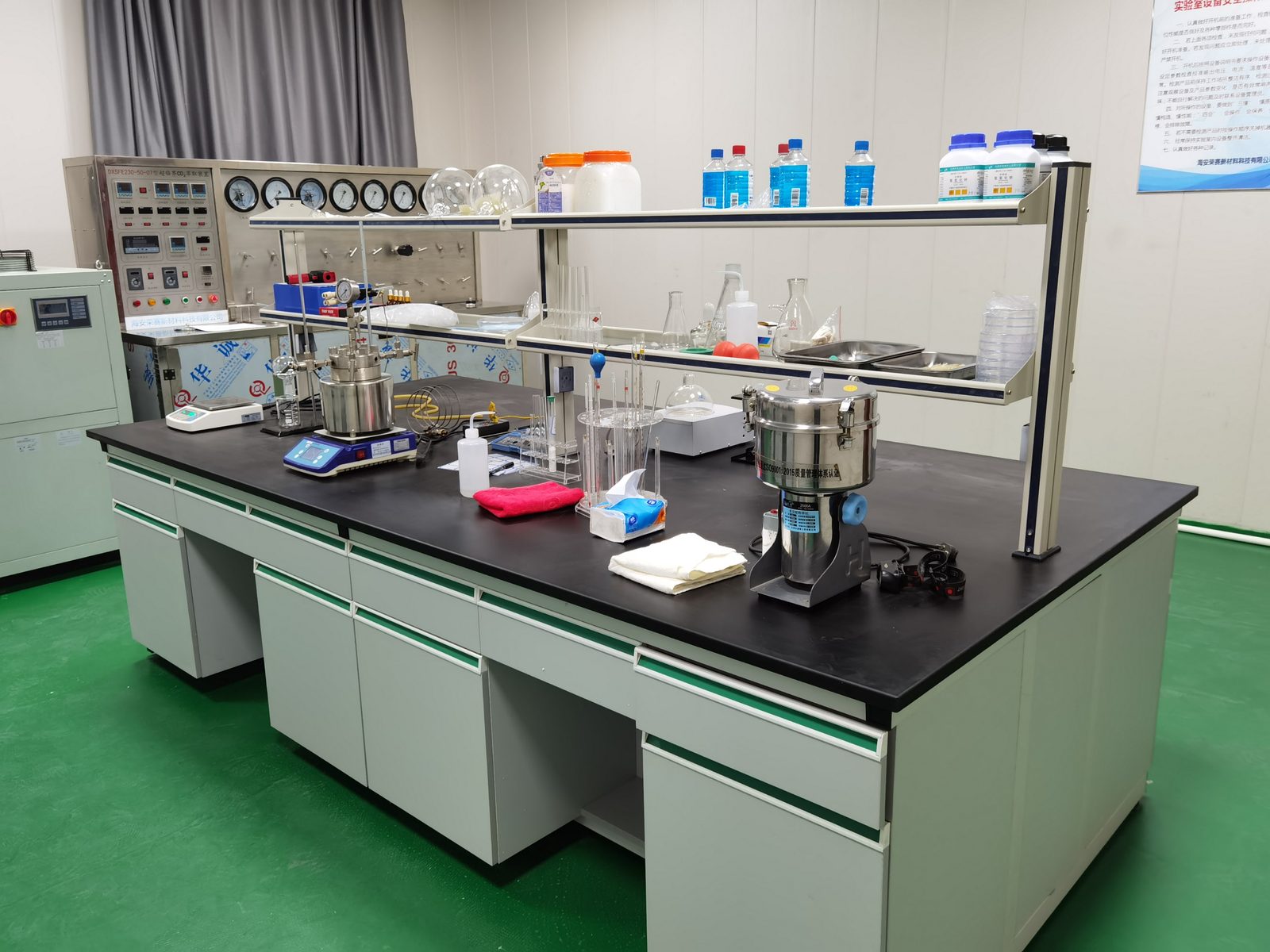
This requires equipment that enables stable adjustments of temperature and pressure throughout the process. Our systems deliver both stability and flexibility to complete extraction in one cycle. For higher-purity fractionation, we design units with a series of separators arranged in tandem.
As the CO₂ loaded with extracted compounds exits the extraction vessel, it flows sequentially through these separators. The first separator is set to the highest pressure in the sequence, followed by the second and third at progressively lower pressure levels. Compounds of different molecular weights precipitate under distinct temperature and pressure conditions, allowing fraction collection in separate separators.
In a standard fractionation workflow, waxes precipitate in the first separator, heavy oils and resins in the second, and light essential oils in the third. Phytoexo has also developed proprietary extraction protocols to separate target compounds via unique processing approaches.
- S1Highest pressure — waxes precipitate first.
- S2Reduced pressure — heavy oils and resins.
- S3Lowest pressure — light essential oils.